• Over the course of this semester I have learned so many new things about both reading and writing, especially in an academic way. At the beginning of this course, I did feel confident in my writing skills but definitely did not fully grasp how analytical and detailed academic reading and writing needed to be. I often approached reading as something just that I needed to simply complete and get the overall general idea of the thing it is that I’m reading, rather than as a process that required close attention to detail and strategy. Similar to reading, while I was very comfortable expressing my ideas in writing I definitely lacked a strong understanding of formal academic strategies. However, throughout this semester through consistent practice, feedback, and reflection I developed stronger skills in important things like citing sources correctly, writing professionally, and analyzing texts at a deeper level.
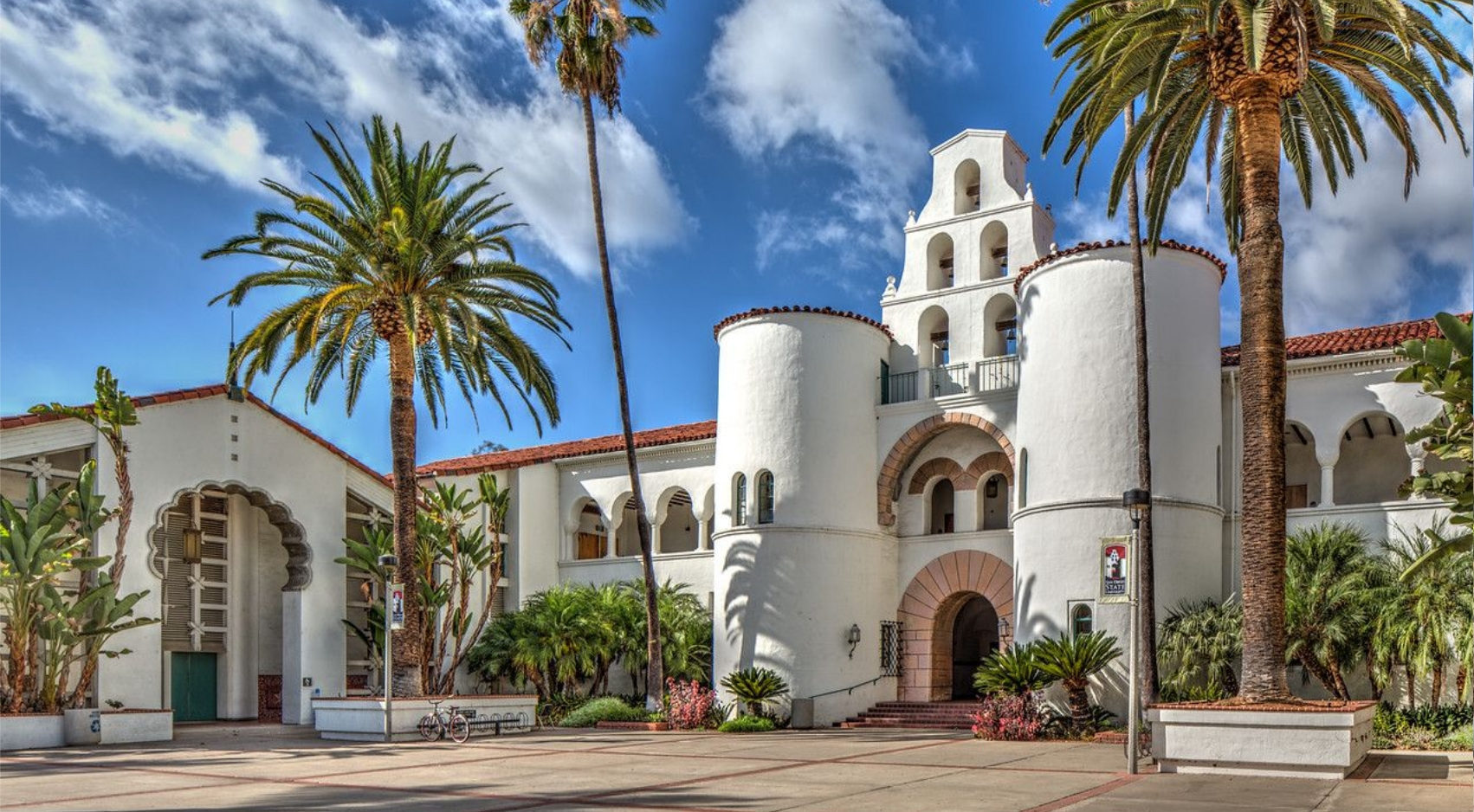
    New graduate school rankings spotlight SDSU health professions, education |  News | SDSU
    What is the RWS class?

     One of the most important skills I learned this semester was how to correctly cite sources, including websites, books, and academic articles. Before taking this class I understood that citations were necessary and important, but I did not know how to use them properly. At times, citing sources felt like an extra requirement and one I did not know how to correctly do, rather than a meaningful part of the writing process. But through practice during this course I began to understand that citation plays a crucial role in academic writing and it also allowed me to feel more confident when incorporating research into my work. It allows for us as writers to give credit to the original authors, avoid plagiarism, and strengthen our own arguments by supporting them with credible evidence. In addition to that, I also gained a stronger understanding of how to write formal and academic papers. This class clearly demonstrated the differences between academic writing and other forms of writing, such as blogs or personal reflections. As we completed several blog assignments, it helped me see how writing styles change depending on the audience and purpose. The blogs allowed for us to write in a more conversational and personal tone, while academic essays required more structure, clarity, and a more professional tone. Learning to shift between these styles helped me become a more flexible writer. The awareness I gained of what different types of writing pieces require has strengthened my ability to write effectively in different contexts and has made me more confident when approaching formal assignments. 

    Why Citing Sources is Important - Identifying Parts of a Citation -  Research Guides at University of Nebraska Kearney (UNK)
    Importance of citing a source.

    My reading skills have also developed significantly throughout the semester. Before, I often read texts quickly, focusing mainly on understanding the main idea or completing the assignment. However, this class taught me how to read more actively and critically. I learned to slow down and pay closer attention to how writers construct their arguments, use language, and organize their ideas. Instead of simply asking what a text is saying, I now ask how it is saying it and why the author made certain choices. This shift has helped me recognize that writing strategies such as tone, structure, repetition, and word choice can have a powerful impact on a reader. Becoming more aware of these strategies allowed me to analyze texts more deeply and thoughtfully. Another important lesson I learned about reading was the value of paying attention to small details. I have learned that even the minor elements of a text, such as a single word choice or a sentence’s placement, can carry significant meaning. By learning to analyze and notice these details, I became more skilled at interpreting texts and explaining their effectiveness. I also learned to move away from vague analysis and toward more specific and detailed observations. Instead of making general statements about a text, I now focus on providing clear examples and explanations. This change improved both my reading comprehension and my writing, as deeper analysis led to stronger and more convincing essays. 
    The 10 Best Book Reviews of 2023 Book Marks
    What is the importance of deeply analyzing texts?

    I learned these skills through many assignments we completed throughout the semester. The structure of the course allowed me to gradually build my abilities over time rather than being overwhelmed by large assignments all at once. The blog assignments were especially helpful because they encouraged consistent writing and reflection. These blogs also helped me gather information about my discourse community, which later contributed to the final paper. By working through smaller assignments, I was able to develop ideas step by step and gain a better understanding of the research and writing process. In addition to the blogs, the smaller reading assignments completed in class played an important role in my development as reader and writer. These assignments required close reading and thoughtful discussion, which helped me practice analyzing texts in a focused and meaningful way. 

    One assignment that stood out to me the most was “How to Read Like a Writer.” This assignment had a significant impact on how I approach both reading and writing. Its main purpose was to show its readers to read texts not just for understanding, but also for technique. Instead of focusing solely on what the author was saying, I learned to pay attention to how the author was saying it. I analyzed elements such as sentence structure, organization, tone, and word choice, and I considered whether these were strategies I could apply to my own writing. This approach completely changed the way I read. Reading became more interactive and purposeful, as I was constantly evaluating the author’s choices and learning from them. By analyzing other writers’ strategies, I gained insight into how effective writing is created. This assignment showed me that reading is not just an activity but a process that can directly improve writing skills, it also encouraged me to be more intentional in my own writing. 
    4 Steps to Read Like a Writer
    How To Read Like A Writer

    Through this class I also learned more about myself as a reader and writer. Writing has always been one of my strengths and this course helped reinforce that confidence. Over time, I have felt more comfortable organizing my thoughts, expressing my ideas clearly, and developing arguments through writing. However, this class also helped me recognize areas where I can improve. For example, as a reader I sometimes focus too much on surface level ideas and do not always analyze texts as deeply. Becoming aware of this was important in improving my skills and encouraged me to challenge myself to dig deeper and engage more critically with texts. My greatest strengths after completing this class is my ability to write in a professional, academic, and formal manner. These skills will be extremely helpful in other classes, especially as I continue taking RWS courses. Being able to read critically allows me to engage with literature, media, and information in a more thoughtful way which will help me benefit beyond my academics. Strong writing skills will also be valuable in professional and personal settings. Whether I am writing emails, reports, or other forms of communication, I will be able to express myself more clearly and effectively.  
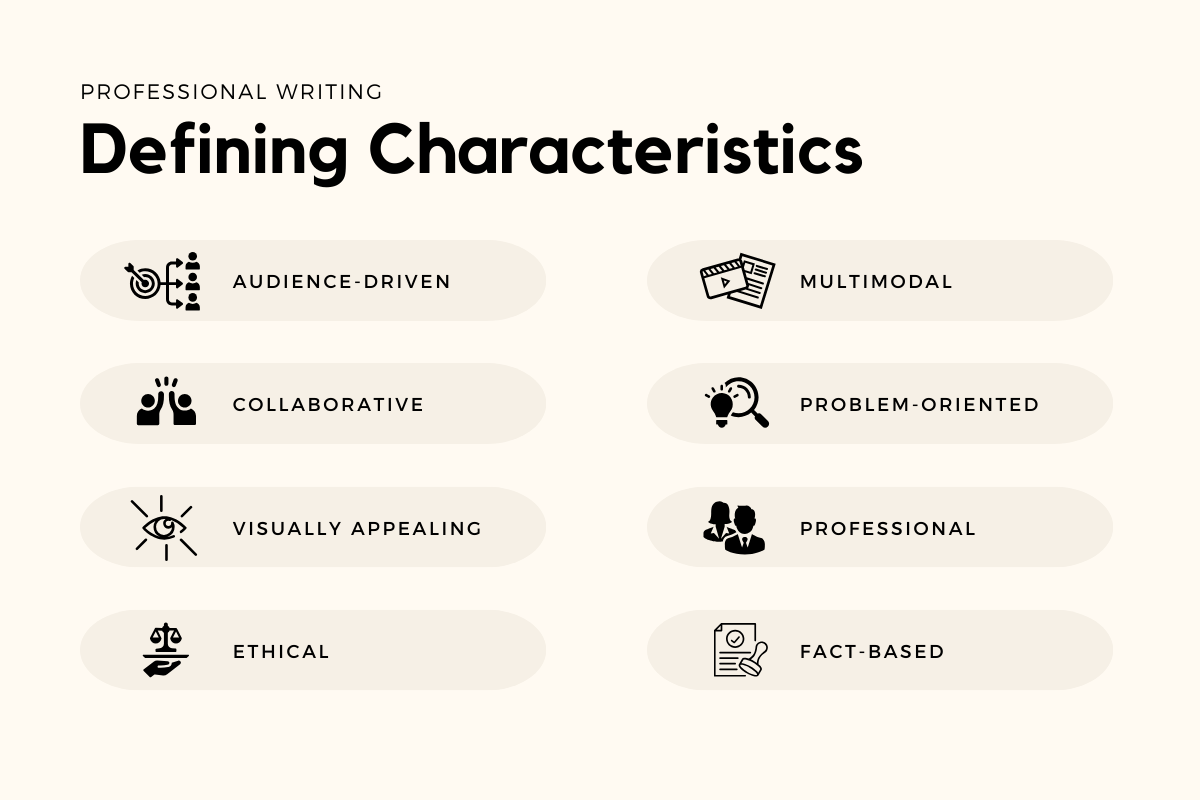
    Professional Writing - Style Guide | Writing Commons
    Professional writing.

    Looking toward the future, I hope to continue improving in both areas as a reader and writer. As a reader I want to work on consistently analyzing texts at a deeper level and paying attention to subtle details. I plan to do this by practicing by taking notes, asking questions about the texts. As a writer I want to continue strengthening my academic tone while also maintaining the ability to be flexible with styles. 

    This semester has been a valuable learning experience that helped me grow significantly as a reader and writer. I gained so many important skills that will support me throughout my academic journey and will remain useful in my personal and professional life.

  • Communities are powerful because they allow us to share passions, exchange knowledge, and feel connected to others. I have found myself drawn to 3 different communities that reflect my interests and values. Those are the baking community, the book community, and the Pilates community.

    The Baking Community

    Who participates? Why? The demographics of the baking community are very broad, ranging from teenagers barely getting started to older adults who have baked for decades. People from different cultural and racial backgrounds also take part in this community. Everyone has a different reason for joining their community. They participate to share traditions, improve baking skills, relieve stress, or to build a professional reputation for themselves.

    What does this community value? How does this community communicate with one another? The values of the baking community include creativity, cultural pride, encouragement, and presentation. The content created in the baking community includes recipes, tutorial videos, step-by-step blogs, baking challenges, and cultural stories about food. They can communicate through online communities/groups which anyone can join. The website linked is to one baking group online, this is the description provided in the site: “Welcome to Baking Forums where you can ask questions or find answers on anything related to baking.”

    Goals? How do newcomers learn the appropriate language, terms? The goal of this community through their content is to teach, inspire others to join, share with many their traditions, etc. Social media platforms like YouTube, TikTok, or Instagram play a big role in helping newcomers pick up the language/terms since creators often demonstrate techniques while using specialized terms, making them easier to learn.

    Join the Best Baking and Cooking Community Ever! | Cookies & Cups

    The Book Community

    Who participates? Why? The demographics of the book community are diverse, including people of different ages, cultures, and backgrounds. Including casual readers, students, teachers, academics, book reviewers, authors, and social media influencers on platforms like TikTok, Instagram. They participate for a variety of reasons, some want to share recommendations and connect socially through book clubs or online, others seek to deepen their understanding of literature through analysis and discussion, and many simply join to express their love of reading and storytelling.

    What does this community value? How does this community communicate with one another? The values of the book community include curiosity, critical thinking, empathy, creativity, and inclusivity. Members often value diverse opinions and place importance on sharing knowledge and recommendations, encouraging others to read, and engaging in many types of discussions about themes, characters, and ideas. They communicate through book clubs (online or in person), social media platforms like ‘BookTok’ or goodreads. Goodreads is a platform where readers can track the books they’ve read or want to read, share reviews and ratings, and connect with others through recommendations and reading groups.

    Goals? How do newcomers learn the appropriate language, terms? Members of this community share the common goal of reading, analyzing, and celebrating literature. Members give feedback through reviews, recommendations, and debates. In the book community, newcomers learn the appropriate language, terms, and genres by engaging with reviews, discussions, and social media content.

    Book Groups - Redford Township District Library

    The Pilates Community

    Who participates? Why? The demographics of this community are broad, often including adults of various ages from young adults to older individuals. The community is also culturally diverse. The purpose of this community is to teach correct technique, motivate others to stay consistent, share health benefits, and build a supportive fitness culture.

    What does this community value? How does this community communicate with one another? The values of the community include discipline, wellness, mindfulness, encouragement, and lifelong learning. They also value inclusivity by welcoming people of all fitness levels into the practice. Members communicate through in person classes, online communities, instructional videos, and social media platforms. Like on Reddit, a social media platform in which people from all over the world can join in on various discussions, you can join a pilates community. The content created on many of these social media platforms includes instructional videos, workout challenges, wellness blogs, and professional training. 

    Goals? How do newcomers learn the appropriate language, terms? The community has the shared goal of improving health, strength, flexibility, and mind body connection. Feedback is exchanged when instructors correct form, by sharing progress, or members give encouragement in online groups. In the pilates community, newcomers learn the appropriate language and terms primarily through guided instruction in classes, where teachers explain various concepts.


    Pilates For Rural Living - Barossa Improved Grazing Group
  • What is one particular element of this community that you find interesting? In this community I definitely find interesting that through the shared language, slang, and understanding of the books you can find a sense of belonging. A bond can be made through these shared understandings. Shared language plays a big role in building a community by creating a sense of belonging through words, phrases, and references that only certain individuals can understand, part of the group or not.

    Community Building Meaning: The Real Power Beyond Online Slogans

    For example, fans of Harry Potter might talk about “getting sorted” into a house, things and language that instantly signals belonging to that fandom. Also, in online book spaces like “BookTok” (TikTok space where people will talk about books), readers often use slang like “TBR” (to be read), “DNF” (did not finish) a shared vocabulary that connects people across different backgrounds. Phrases like these can help readers be able to bond with other readers over common experiences, their emotions about the story, and help them be a part of reading culture. Overall, in book communities, shared language strengthens the sense of identity, belonging, and participation, which can turn individual reading into a social experience.

    Harry Potter House Quiz: Which Hogwarts House Would You Be In? | BrainFall

    At the same time, this shared language can unintentionally exclude newcomers who aren’t familiar with the terms yet, highlighting how language can also separate. The use of inside jokes or different terminology can unintentionally create a sense of exclusivity. For example, longtime fans might discuss theories or make references that only makes sense if you’ve read the entire series or followed the community closely.

    What cultures are represented in the book community? I don’t think there is a specific culture represented in this community. Now obviously if you read a book that is specific to a certain religion, language, etc. then maybe then it will be specific to a culture. Different cultures are represented in books through characters, settings, traditions, values, language, and everyday life experiences. So overall there is so much diversity in the book community. There could be books specific to a culture, a language whether it’s informational on these themes or just included in the plot line.

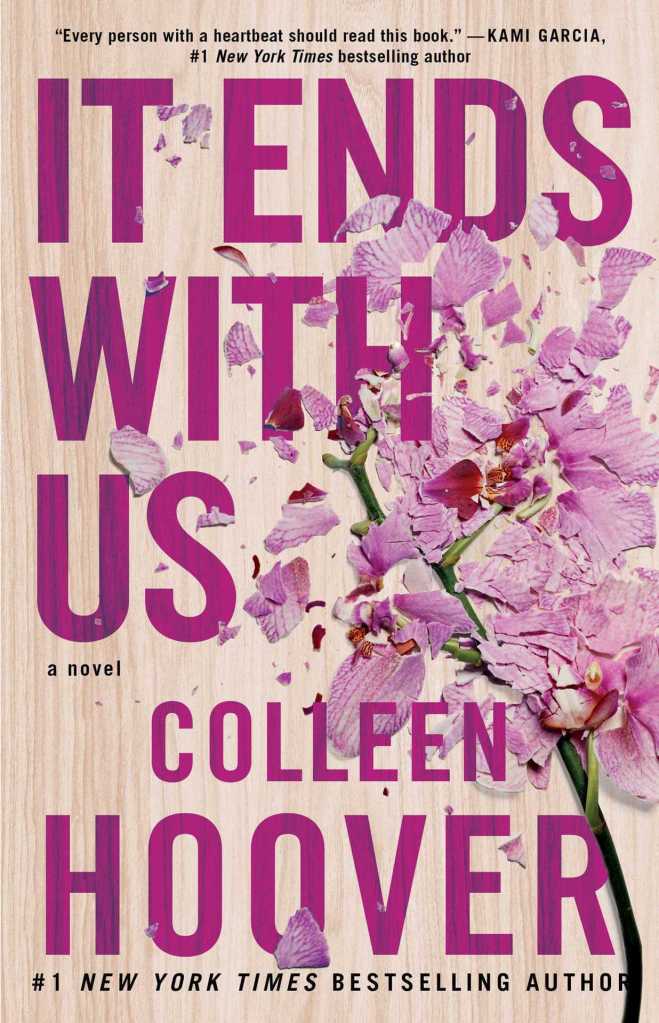
    For example, going back to one of the books I’ve talked about which to this day is still my favorite book, “It Ends With Us,” represents modern American culture. The book reflects real issues in American society, and themes of which people are starting to talk more about things like domestic violence, mental health, and emotional healing. Also just the setting, the way the characters act based on their different ways of being raised give different cultural aspects to a diverse group of redears.

    Authors can often draw from real cultural backgrounds to bring their stories to life, which allows readers to see how people from different parts of the world live, think, and interact. Small details like clothing, music, gestures, or ways of solving conflict can give insight into a culture’s values and traditions. Books are powerful tools for both preserving and sharing cultures, helping readers understand, inform, and appreciate ways of life that are different from their own.

  • “The book community” a community I think is safe, one where through words you can deeply and strongly communicate and connect with others. Words (in my opinion) are very strong and can deeply impact someone.

    Now, I was never one to willingly want to read, in fact I hated it. It felt more like a chore (especially when having to read for school assignments) rather than a pleasure of mine. I often found myself not being able to focus on the words on the page. However, it really was just a matter of finding what I truly enjoyed reading about. Once I read genres that resonated with my interests (more specifically romance novels) I discovered that reading could transport me to different worlds and introduce me to all kinds of characters. With the right book in hand I could easily spend hours lost in a story captivated by the author’s words.

    “It Ends With Us.” The first novel I ever read which got me really into reading. Would I consider it a romance novel? Maybe, highly debatable depending on the person. (Trigger warning there is some dark themes mentioned in this book.)

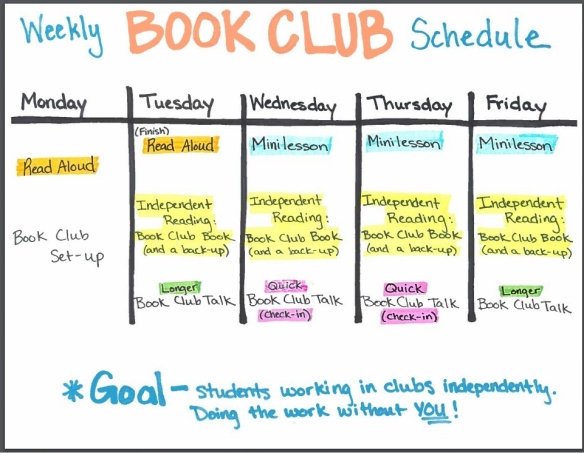
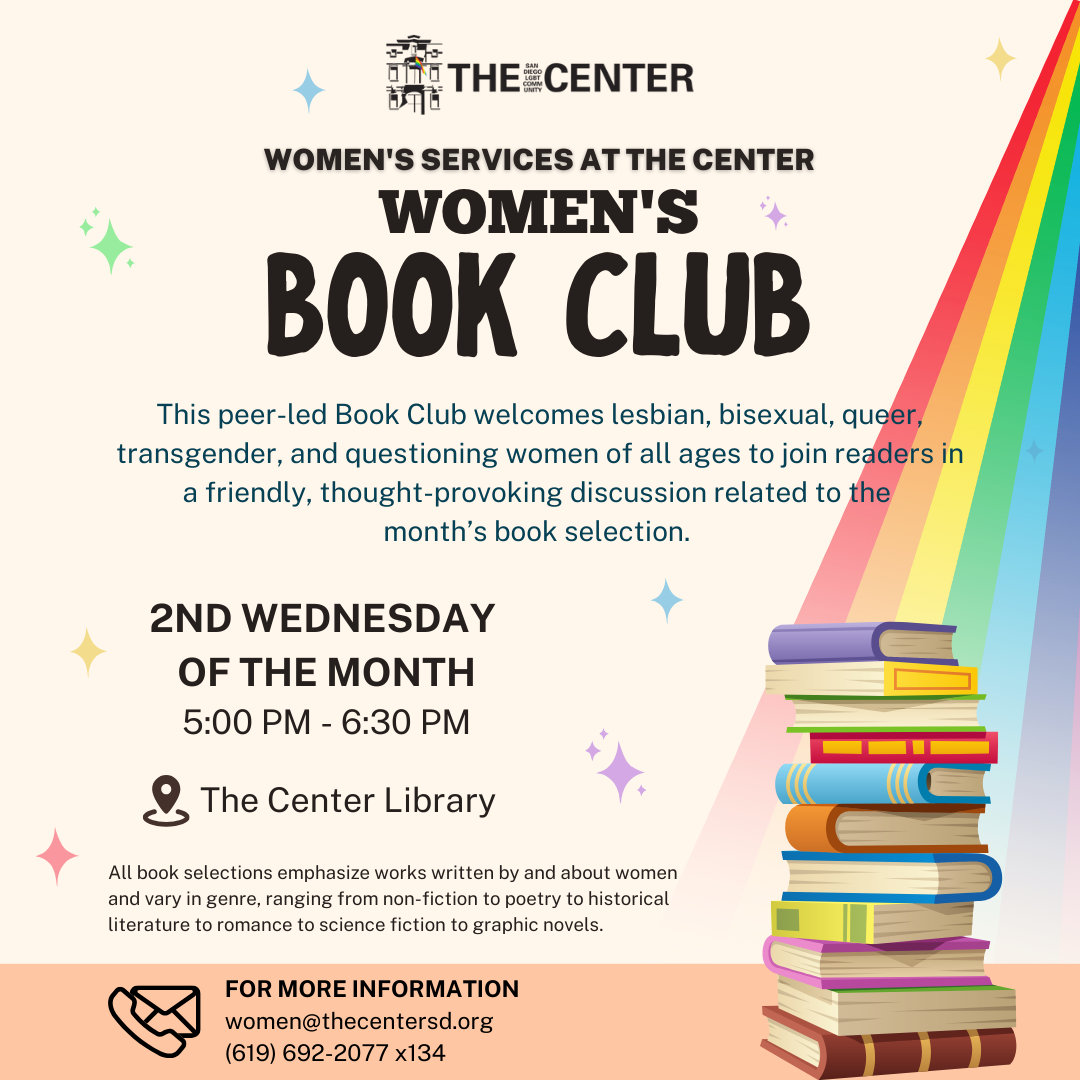
    Where do these communities live? These communities live both online and in person. There is book clubs where people can connect with one another and share their interests in the same books or sometimes the same genre too. Many find it enjoyable to discuss plot twists, character development, and thematic elements, for a deeper understanding and appreciation of literature. These clubs often host events such as author readings and social gatherings to enhance the experience of reading. Online platforms also provide vast opportunities for engagement, from social media groups to websites, in which individuals can participate in, exchange recommendations, and create a strong sense of community across different locations despite many differences.

    What do I like about this community? That is a pretty easy answer if you ask me. This community (for the most part) is judgement free, one that creates a welcoming atmosphere where individuals can express their thoughts without fear of criticism. All opinions about novels are welcomed, as well as the diversity of perspectives. Everyone sees and interprets things differently, which not only welcomes in healthy (not aggressive at all) debates but also encourages us to think deeply about the literature we all read. It is definitely always interesting (at least to me) to see how everyone can derive something different from a topic or book we all read, this variety reveals the depth and complexity of storytelling. Everyone contributes their unique background and experiences, making it a vibrant environment. So, we not only share a passion for reading but also build meaningful connections with one another, learning from each other’s insights and interpretations.

    More than anything, I would love to learn more about the different interpretations we all have of literature, as it is an extremely interesting exploration into the way humans think and process literature. I think especially in this class, with all our in class discussions and diverse perspectives I will be able to examine and learn how each of us approaches, learns, and understands topics, authors, readings, etc., in unique and personal ways. It will also be interesting to see how different cultural backgrounds and beliefs can significantly contribute to how we interpret and understand writings differently. I believe that those factors can definitely impact how we process information about certain topics, especially if they are more sensitive ones, as (I think) our individual histories and societal contexts can shape our perceptions. This dynamic between culture and literature not only expands our understanding of others but also encourages empathy among us as we share insights from our varying perspectives.

  • My names is Camila, I’am a kinesiology (pre-pt) major and I’am on the path to be a sports medicine physician.

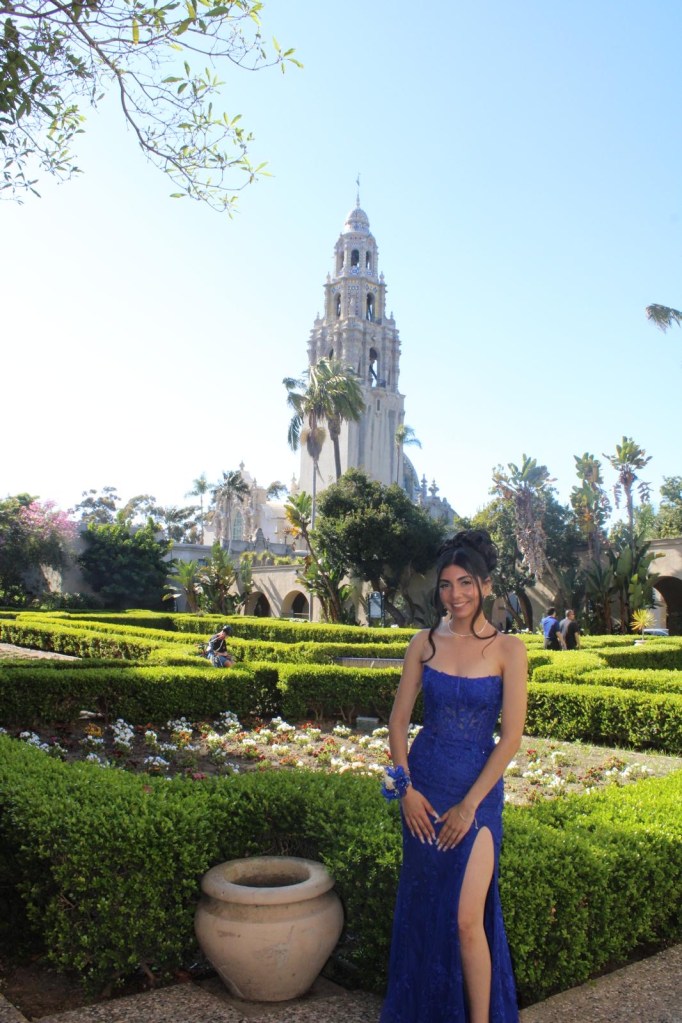
    Me April 2025, prom pictures!

    Reading and Writing Experiences

    Sometimes I enjoy reading, I just really have to be in the zone and have it be some genre I enjoy (which 99% of the time it is romance novels). I also do enjoy poetry a lot. I think it can be a little complex sometimes but it is enjoyable as some have beautiful meaning behind them. So most times the novels that I have read in school for my classes weren’t always as enjoyable for me. Still there were some interesting ones, but I just always rather my typical cliche romance books.

    As for writing I have always enjoyed it. Growing up in school my favorite subject has always been English. I feel like sometimes it just comes naturally to me. Like most people I do have my times where I struggle to write, but it always come back to me. I have also gotten told numerous times I’m a pretty good writer so, I think that also contributes to why I enjoy it. Sometimes theres periods where I get into journaling so I like to write down hoe my days are going, how I feel, etc. but it’s not something I do very often.

    What am I hoping to learn or possibly unlearn in this course?

    I’am looking towards improving my writing skills. Including learning new strategies, vocabulary, grammar, etc. As for unlearn it has really nothing to do with the class but I would definitely love to work on my procrastinating. I’m a person that leaves everything for the last minute and I think that as a result I’m not able to put in my best efforts into the work. It’s become a really bad habit but I’m looking towards improving that.

    What’s my favorite hobby?

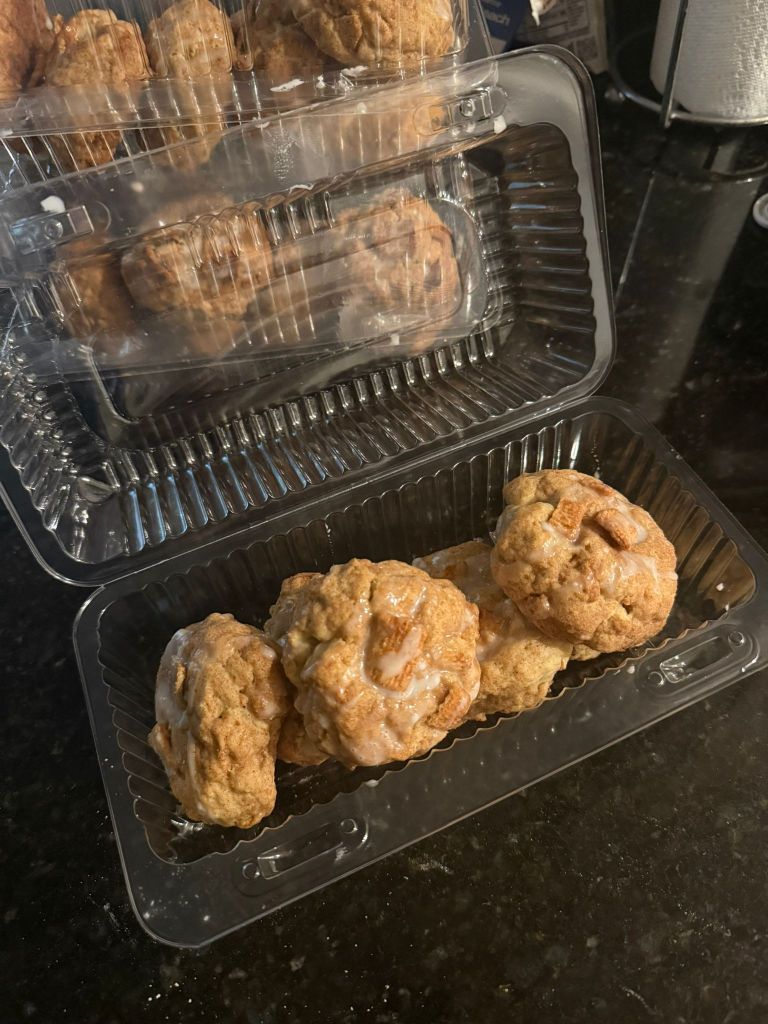
    My favorite hobby is baking. I’ve learned that it helps me when I’m stressed out. It’s definitely a way for me to be in my zone and no one “bothers” me. It’s sort of just me time. My favorite cookies I’ve made so far are the “cookie monster cookies.” I for sure bake cookies more than anything, but I’ve made cinnamon rolls, chocolate croissants, cakes, cupcakes, muffins.

    How does reading and writing work in this hobby?

    As for reading with this hobby, I think it’s pretty obvious in order to follow and recipe you need to carefully analyze and read it. If you want to make your own recipe you have to make sure it’s neatly and well written so others (including your future self) are able to read and follow it. Literacy overall connects a lot with baking.

    What are some of your favorite things to talk about? Who do you talk about them with and where? 

    This isn’t really a topic but with my best friend we like to talk a lot about the past and how much we’ve grown up and gone through together. Also, just any problems we have going on in our lives at the moment. I’d like to say we have a lot of the same opinions, feelings, views, etc so it’s very relieving to be able to comfortably talk to someone who just gets me without feeling judged.